Gutters and Downpipes: Vital for Protecting Your NZ Homes
Looking for expert insights on gutters and downpipes for your New Zealand home? This comprehensive guide by Premium Quality Roofing explores why a reliable roof drainage system is vital for preventing foundation damage, timber rot, and costly structural repairs. Discover essential maintenance tips, local material options such as Color steel and aluminum, and the benefits of professional installation designed to withstand harsh Kiwi weather.
The Essential Guide to Gutters and Downpipes for NZ Houses: Top-Down Protection for Your Investment
Most homeowners, when it comes to home maintenance, think about their walls, lawns, or maybe a coat of paint. But high above, silently churning through roaring southerly gales and torrential downpours — blistering summer heat — lies one of the most essential systems on your property: Your drainage system.
At Premium Quality Roofing, we know that the home is more than just a roof over your head – it is your haven, your family’s protection, and a significant investment. However, time and time again, when looking at structural failures, one small detail is overlooked that can lead to disastrous results. A dry foundation, healthy walls, and a long-lasting roof start at more than shingles or steel cladding. It goes all the way down to how well you manage the water that falls to your roof line.
The Ultimate Guide To Gutters and Downpipes: This is a thorough article about gutters and downpipes — why they matter, how to recognize early failure, the need for professional installation, and regular maintenance for Kiwi homeowners.
Unlocking the Hidden Power of Your Roof Drainage
Water is relentless. Just one significant rainfall event can deliver thousands of litres of water onto a standard household rooftop. If that water has no proper system to collect, channel and safely redirect it, your property is at risk from erosion, moisture, and devastating structural collapse.
The Role of Gutters
Your roofline directs large volumes of water into a small stream. That water would fall like a cascading waterfall straight off your eaves, pooling all around the perimeter of your home, splashing mud up against your cladding, which will eventually erode the ground underneath where your foundation sits.
The Role of Downpipes
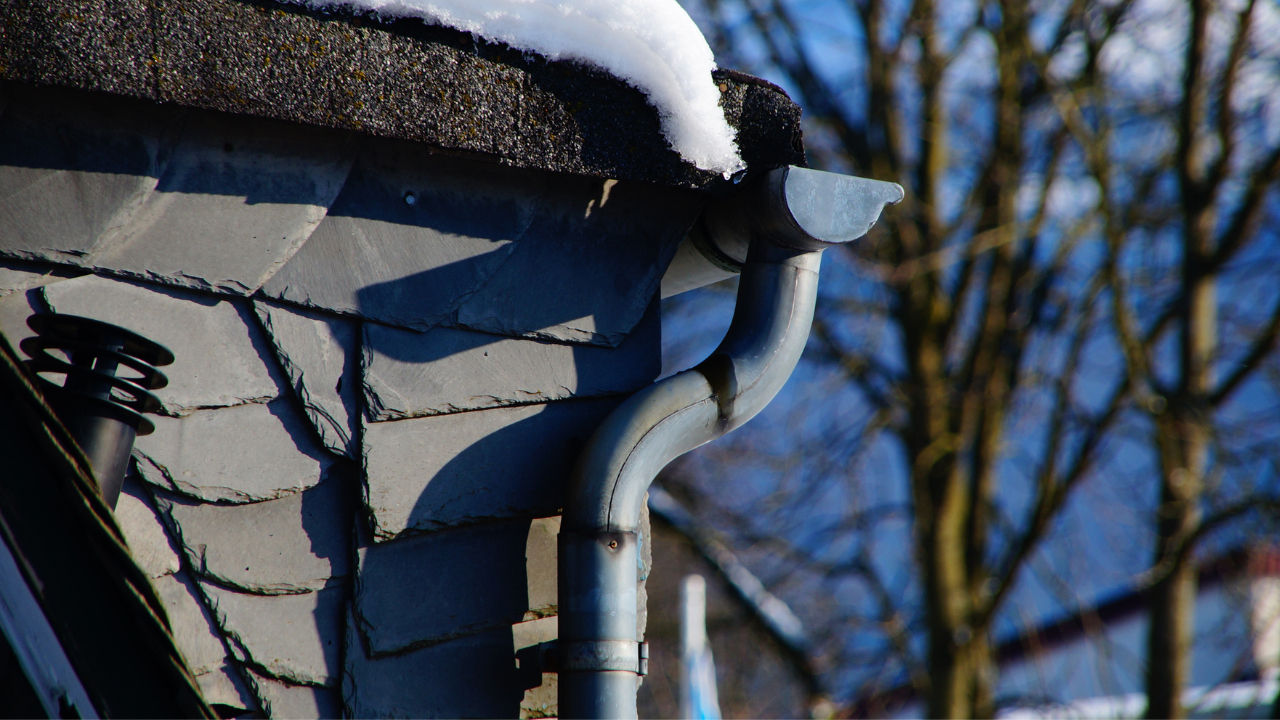
Catching water is half the battle. When water flows into your conduits, it seeks an outlet to escape to safety. This is where downpipes come in as the vertical arteries that ensure that water is transported safely from the roofline to stormwater drains, tanks or soak pits.
Gutters and downpipes work in perfect unison, providing an escape for water before it reaches ground level, using their synergy to create an invisible barrier that protects your property from the ground up.
Why New Zealand Weather Demands Superior Drainage Systems
The natural imperatives of New Zealand’s unique but unforgiving climate are just as beautiful. Whether it’s the high winds of Wellington, the wet and wild West Coast, or the salty coastal air of Auckland, our environment pushes building materials to their limits.
Weather Extremes and Your Roofline
Kiwi storms bring fast-changing temperatures and East Coast flooding rain. Mandatory to, mass-market waste components generally buckle when faced with too much water or become clogged with wind-blown herbal material.
And if your property wants to avoid failure before it begins, that means it requires top-notch, high-quality materials installed with precision. Speaking of that hot sun, nearly all the systems we develop at Premium Quality Roofing are built to withstand whatever Mother Nature can throw their way.
Key Components of a Proper Drainage System
There are many moving parts in a fully functioning water management setup. Each and every piece serves an important function in protecting your home from becoming wet and damp.
The Channel Profiles
The horizontal channels capture water flowing off the edge of the roof. How to Choose the Correct Profile: Profile – quad, half-round, or box – will depend on your roof pitch and aesthetic.
Brackets and Fasteners
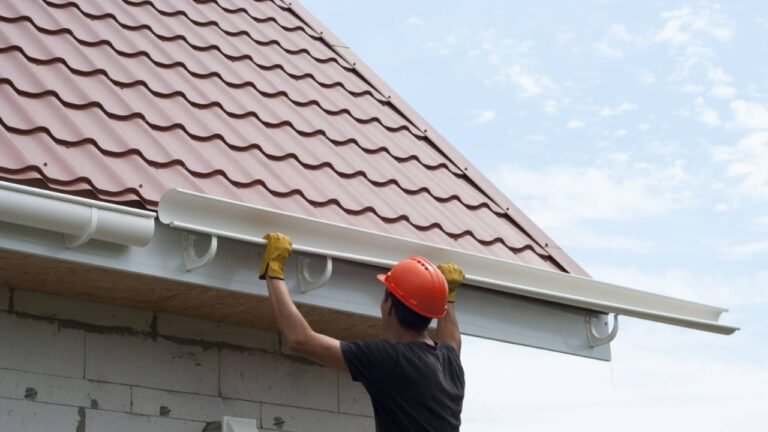
Without well-secured channels, even the best ones will sag. Appropriate internal or external high-class brackets help maintain the proper angle within your channels, directing water straight to the extraction points without pooling.
Vertical Conduits
The vertical pipes must also be affixed to your external walls. If actually narrow or positioned incorrectly, these conduits will only clog up, resulting in a spool during load storms and causing them to flow around the sides, damaging your exterior cladding.
The Most Common Indicators That Your Drainage System Is Not Working
Most homeowners are unaware that they have a drainage issue until it expands into an expensive problem. Once you learn to spot the signs early on, you can stop yourself from spending thousands of dollars on fixing a structure.
Overflowing During Rain
During moderate rain, if you see water spilling over the sides of your channels, you probably have a blockage, an inappropriate gradient, or an undersized system.
Sagging or Pulling Away
If your channels appear uneven, sagging in the middle, or separating from the fascia board, it might be that the brackets have failed or rusted away.
Staining and Rust Spots
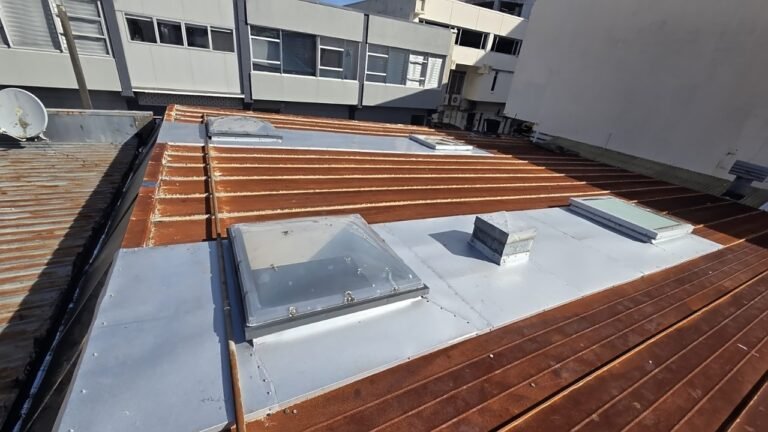
Signs of chronic moisture exposure include rusty nails, peeling paint, or unsightly staining on your fascias and external walls.
Pooling Water Near Foundations
When you go outside after a storm, if you see sizable puddles forming right up against the foundation of your home, that means your vertical conduits are either discharging water too close to the house or are fully clogged.
The Danger of Ignoring Maintenance
Poorly managing your exterior water setup can cause all sorts of expensive property damage. This is what happens when maintenance is neglected:
Foundation Damage: Water can accumulate around your concrete slab or piles without proper control, causing soil to swell and shrink and leading to serious cracks and shifting foundations.
Rotting Timber: Water that continuously overflows crashes against your fascia boards, rafters, and exterior framing, causing timber rot, mould, and moisture inside your walls.
Basement and Subfloor Flooding: Water directed away from the house can seep into subfloors, creating breeding grounds for mould and mildew that impact your family’s health.
Erosion of Landscape: Your beautifully manicured gardens, driveways and lawns can be lost in a single season if runoff is not controlled.
Selecting The Right Material: What Works Best In New Zealand?
Selecting the right material for your property is key to durability over the long term. Depending on your region and architectural style, some materials may benefit more.
Colorsteel and Galvanized Steel
Steel is a favourite for Kiwis because it is super strong and can withstand extreme winds. Fitted with high-tech protective coatings, new steel options resist rust and wear, making them well-suited to practically any architectural style.
Aluminium
Aluminum is light, completely rust-proof and incredibly durable — making it one of the best materials for coastal homes where salt spray quickly accelerates metal corrosion.
Copper and Zinc
For more upscale architecture, high-end metals such as copper or zinc provide unrivalled resilience and develop an incredible aging patina.
The Professional Installation Advantage
Although DIY projects can be rewarding, installing or replacing a home drainage system is an area where certified professionals are advised. If the gradient is off by as little as 1 degree with a slight rise, water will collect rather than flow towards the outlet.
Our crews are skilled professionals who bring precise engineering and high-quality craftsmanship to each project. We measure twice and get calc areas right, build systems to survive decades of kiwi weather.
Our Step-by-Step Installation Process
Comprehensive Assessment: Using your roof pitch, size, and local rainfall statistics to create the ideal system.
Custom Sizing and Layout: We determine the precise number of collection points and vertical conduits required to safely accommodate the maximum storm volume.
Expert Removal and Repair: We carefully remove old, damaged hardware and inspect the underlying fascia boards, repairing any rot before new installation begins.
Precision Mounting: We install high-grade brackets and channels at the exact gradient required for optimal water flow.
Secure Vertical Routing: We connect vertical conduits securely and properly to your stormwater management or tank system.
Quality Testing: test every aspect of the network to ensure everything is working seamlessly before we are done.
Routine Maintenance Advice For The Kiwi Homeowner
A little preemptive maintenance will maintain your water management network working to full efficiency throughout the year.
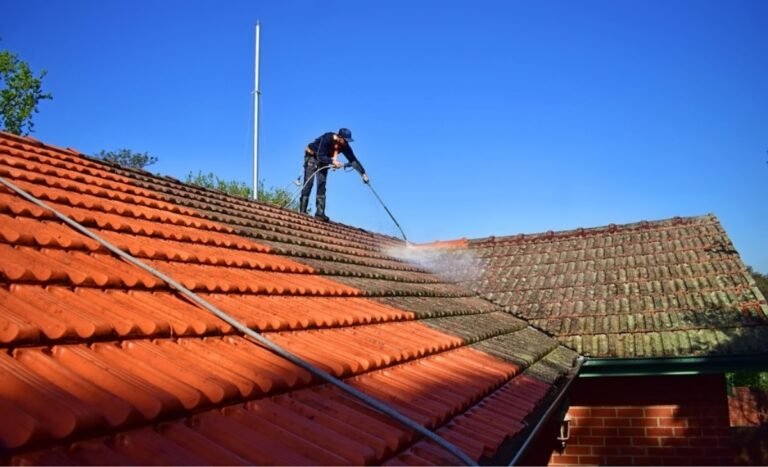
Clean Twice a Year: Perform a full clear out at the end of autumn after leaves have finished falling, and again at the end of Spring.
Check for Leaks and Rust: Look closely at your joints, seams and metal surfaces to see if they show signs of corrosion or failing sealant.
Trim Overhanging Trees: Have branches cut back to prevent debris from littering the roof and obstructing drainage channels.
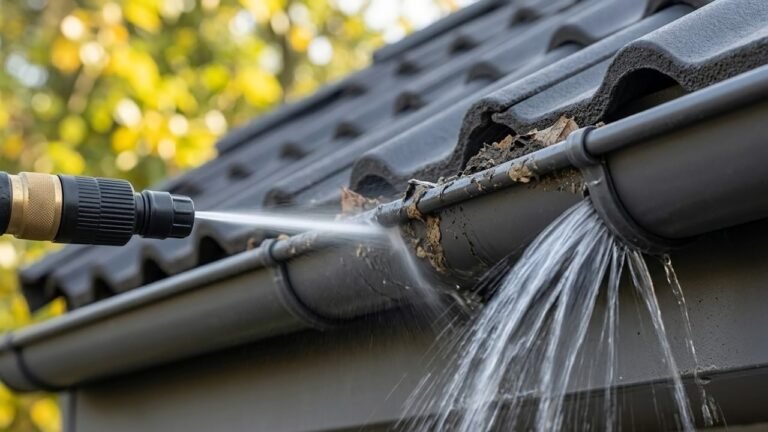
Flush the Conduits: You will want to flush your vertical conduits at least once annually using a garden hose—make sure all of those underground and elbow spots are not hiding any clogs.
Why Choose Premium Quality Roofing?
You work too hard on your home, and the last thing you want is a so-called “contractor” who will cut corners. New Zealand homeowners trust Premium Quality Roofing, hence why:
Proven Expertise: Years of practical experience managing the different weather conditions you find within New Zealand.
Uncompromising Craftsmanship: Each bracket, joint and fastener is installed with painstaking attention to detail.
High-quality materials: We use thicker, rot-resistant construction-style materials that are made to last.
Customer-First Approach: You received a free quote that detailed the project in full detail. During each phase of the work, you will always remain informed, respected and satisfied.
Secure Your Home Today
Be prepared for what could happen, because the next big storm could hit before you have a chance to easily test the weaknesses in your home, with bunged-up windows or loose panels in its exterior shielding. Never compromise the integrity of your foundation, your walls or even your peace of mind—schedule a professional install or upgrade.
The authentic craftsmanship is what makes the difference. Contact Premium Quality Roofing now for a no-obligation quote and free consultation, and let our roofing experts in your area keep you dry, safe, and stunning to look at long after we are gone.

Frequently Asked Questions (FAQ’s) About Roof Drainage Systems
Q. How often should I have my drainage network cleaned and inspected?
A: For most New Zealand homes, we recommend clearing and inspecting your exterior water management network twice a year—once at the end of autumn after the leaves have fallen, and again at the end of spring. However, if your property is surrounded by large deciduous trees or pine trees, you may need quarterly check-ups to prevent sudden blockages.
Q. What are the warning signs that my current drainage setup needs replacing?
A: Some of the more blatant signs are seeing water spilling over the sides with just moderate rain, channels that are sagging and pulling away from the fascia boards, brown rust streaks in visible spots likely combined with flaking paint on neighbouring timber, or pooling water lying directly against your home after a storm. If you observe any of these problems, that is a clear signal for professional evaluation.
Q. Can I install or repair these systems myself, or should I hire professionals?
A: DIY appears cheaper, but precision is vital in handling roof runoff. A slight gradient in the stream’s slope keeps the water moving; otherwise, it stagnates. But most often, small 13 mistakes come down to making a lot of 14 them. As professionals, we measure accurate catchment areas, make sure brackets are secure, and our materials are tough as nails, designed to survive the heaviest of Kiwi storms.
Q. Which materials work best for New Zealand’s unpredictable climate?
A: Structural steel and galvanized steel are also very great choices for a high wind zone, too, because they have fantastic structural strength and durability. Aluminum is generally the best choice for coastal properties, as its lightweight, rustproof nature can provide years of lasting performance against salty sea air, which accelerates corrosion.
Q. What happens if I ignore minor leaks or overflowing water?
A: External water management is crucial; otherwise, a chain of pricey damages can cause damage to your property. When this runoff is not controlled, it can erode your landscaping, rot your exterior fascia boards and wall framing, invite mould into your subfloor, and continue to expand and contract the soil below the concrete slab or weak foundation walls.