Butynol Roof Repair NZ | Flat & Membrane Roof Repair Specialist
The Ultimate Guide to Butynol Roof Repair: Protecting Your Kiwi Home or Business
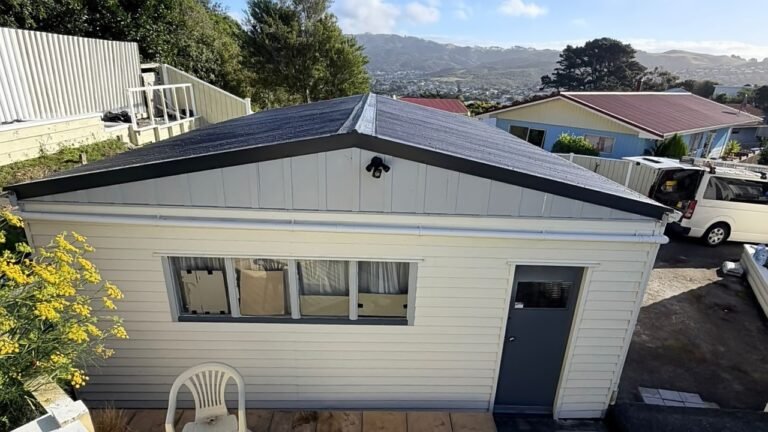
Roofing systems provide the first line of defense against the ever-changing elements of New Zealand’s environment. Butynol roofs are especially designed to withstand New Zealand’s extreme weather conditions. It’s flexible, waterproof, and widely used on flat or low-pitched roofs. Although Butynol Roofs are extremely durable, they are not indestructible.
Roof leaks are extremely stressful, and at Premium Quality Roofing, we value your time. Regardless of whether you’re seeking to repair your Butynol Roof in a commercial or a family home, the need is often unexpected. The purpose of this guide is to provide insight into the details of Butynol, when a Butynol repair is required, and why the right professionals need to be chosen to provide repair services for your roofs.
Understanding the Butynol Roof: A New Zealand Staple
When looking into specifics about butynol roofing, it is also good to know what’s great about the roofing. Butynol is a synthetic rubber membrane roofing that consists of isobutylene and isoprene. Butynol is a great roofing material choice for roofing membranes; it is the “gold standard” for gas protection and is great for protecting and restoring buildings against water ingress.
Why Butynol is Chosen for Flat Roof Designs
Butynol is a great roofing material choice in New Zealand. New Zealand has a lot of modern-style architecture, and much of it uses flat roofs, but for the design to work, the roofing materials must withstand the elements. In architectural design, materials that allow for “ponding” water are used because, in a flat roof design, the water doesn’t run off to the eaves but rather pools in the center. In essence, a butynol roof is a seamless, single sheet of rubber that, when installed properly, is extremely flexible and helps protect the building and prevent water ingress. This helps ensure the building’s longevity.
The Role of Membrane Roof Systems
Most roofing membranes, like Butynol, are designed to be ‘fit-and-forget’ systems, though ‘fit-and-forget’ does not mean avoiding maintenance. The sun, rain, and natural debris can cause damage and erosion to a roof membrane over time, making roof inspections a critical aspect of maintaining your roof system. Inspecting your roof regularly and addressing early signs of wear can mean the difference between many thousands of worthless renovations later to your roof system.
Identifying the Need for Butynol Roof Repair
So you have a Butynol roof and are wondering, “How do I know if I need a Butynol roof repair?” It can be challenging to pinpoint Butynol membrane roofing problems before they become a substantial issue. As Butynol is a membrane roofing manufacturer, problems and failures are likely to occur at some point due to the differing symptoms of failed roofing, whether that be Metal, Tile, etc.
1. Bubbling and Blistering
Under the top layer of a Butynol roof, moisture and, eventually, steam become trapped. When the roofing membrane’s ‘pimples’ or blisters are ‘stretched’, a trapped moisture pocket forms under the membrane, which ultimately becomes steam. The roof surface is heated. If you see this phenomenon with Butynol Roofing, you need a Butynol roof repair. Re-bonding the Butynol membrane will be your solution.
2. Seams Splitting
On butynol roofs, the most common point of weakness is the seam between the two sheets. The seams where the roofing sheets meet are where environmental factors may cause the adhesive to degrade over time. Once the seam splits, water can flow to the underside of the roof and create leaks far from the actual seam. However, if butynol roof repair is done, the seams can be resealed, and the roofing system will be as good as new.
3. Surface Deterioration and Chalking
The butynol material will eventually deteriorate from UV rays, and although it is UV-resistant, it will still ‘chalk’ after years of exposure. Thinning material will create a residue when you run your hand across it, and leave your hand discolored. Most of the time, the discolored residue does not indicate you need butynol roof repair, but it may be time to install a new material to restore the roof’s protective features.
The Premium Process: How We Handle Butynol Repair
Membrane roofing has certain best practices that must be followed. Premium Quality Roofing has learned that with every butynol roof repair, excellence can only be achieved when preparation is done with a commitment to excellence. We repair butynol roofs using the following steps:
Step 1: Initial Roof Inspection
There is a lot to learn before any work is done. We first look at the entire butynol roof system. This includes checking the condition of the flashing, the internal gutters, and the substrate. This approach allows us to repair and address the entire butynol roof system, not just the individual repair.
Step 2: Preparation of the Work Area
Repairing butynol is not is not effective if the area is not clean. We clean the work area and the surrounding area to remove moss, lichen, and oxides. We accomplish these things to promote adhesion of the patches, and in this case, a chemical bond, which occurs with the butynol and repair materials.
Step 3: The Repair Application of Butynol
We undertake butynol roof repair utilizing high-quality rubber patches and specialized adhesives. We ensure not only that all edges are chamfered and sealed, but that they are done so to prevent water from “catching” on the edge of the patch. Our aim is to have the repair be as invisible and functional as possible, as to the original installation.
Butynol for Commercial Buildings: A Specialized Butynol Roof Repair Challenge
Commercial buildings present a particular challenge for butynol roof repair, as they commonly have large flat roof areas with butynol, in addition to large, fixed HVAC units on the roof and high maintenance foot traffic. For these reasons, a butynol roof repair on these sites is a high-risk undertaking.
What is Unique for Commercial Roof Repair?
A leak in a commercial building can lead to an interrupted or complete halt of business, an expensive and often unacceptable risk to the stock, and an unacceptable risk to the health and safety of the people in the space. It is for these reasons that our team in commercial roof repairs in Auckland has a reputation for quickness. We take the same approach to butynol roof repairs on commercial sites, ensuring a long-term, high-quality fix to avoid the need to intervene again in the near future.
Maintaining Your Investment
As business owners, we advise having your roof inspected every 6 months to stay up to date on repairs. A full roof replacement is a much bigger expense compared to roof repairs, and keeping your roof repairable is more cost-efficient, as renovations on butynol roofs are less expensive than complete renovations. We offer roofing maintenance contracts to take that stress off you and ensure your building is covered.
The Economics: Butynol Roof Repair vs. Full Replacement
One of the most frequent questions we get asked regarding roof repairs is, ‘Do I really need a full roof replacement?’ That’s a reasonable concern, but most of the time it’s not true. It is a common myth in our field that this is true, but a licensed butynol roof repair can be a much more reasonable option, and ultimately, it can be completed up to 15 years after the work was performed.
When to Repair butynol
If your roof has minor damage, such as a broken seam or an area that is lifting, a butynol roof repair is usually the more sensible option. It is a repair that extends the life of your roof, helping you avoid more costly repairs in the future. We focus on being a top-notch roof renovation company and avoid roof maintenance to save you as much money as possible on current renovations.
When to Consider a Full Replacement
A roof replacement is warranted when the butynol can no longer perform its function because it is creating brittle, cracking rubber all over the roof; then a butynol roof repair is just a “band-aid.” In such cases, we will be truthful to you. We will provide a free replacement quotation and explain why a new membrane roof is the most rational solution in the long run.
The Worth of Having a Pressure-Free Experience
It could be something simple, or all the way to a full roof replacement; the most important thing to us is that you feel relaxed. The workmanship is certified as of the best quality, with long experience. Knowing that your butynol roof repair was completed by specialists with decades of experience gives you peace of mind, even during a classic Kiwi storm.
Why Roof Repairs in Auckland Are Different
Auckland is known for its extreme and unpredictable weather. A butynol roof will undergo tremendous stress and suffering due to the rapid changes in humidity, rainfall, and extreme heat.
The Auckland Humidity Factor
As moisture is a constant presence in Auckland’s atmosphere, a flat roof can experience rapid growth of moss and lichen, which can ultimately lead to significant damage to the butynol membrane. Therefore, our Auckland roof repairs are designed to handle the specific challenges presented by Auckland’s climate. We implement proven, climate-adaptive strategies and techniques for butynol roof repair.
Local Expertise Matters
When you select a local team for your butynol roof repair, you select people who are familiar with local building styles and council regulations. Our roof repairs in Auckland, whether it be a bungalow in Ponsonby or a warehouse in Penrose, are carried out with the unparalleled accuracy that stems from a complete understanding of the city’s architectural pattern.
Why Premium Quality Roofing?
When considering a butynol roof repair specialist, you look for a combination of craftsmanship and a customer-centric approach. We are not just a repair company; we are your collaborator in property maintenance.
Premium Quality Materials and Top Quality Service
We never ignore the importance of quality in our materials. We use the very best membranes and adhesives in New Zealand for every single butynol roof repair. We do not believe in doing mediocre work. Why do a job if it won’t be permanent?
Years of Experience in Roofing Systems
Over the years, we have worked on every type of roof and seen it all. We have worked on both intricate and very basic butynol roof repairs. This level of experience allows us to easily identify roofing problems and carry out effective butynol repairs.
Your Free Quote is a Click Away
We value transparency, which is why a butynol roof repair quote is free. We will inspect the roof and provide a list of repairs needed. We will give you a quote for every item, and we do not have a sales team that will pressure you. We give you professional and honest advice.
Protecting the Structural Integrity of Your Home
Think of your roof as the hat of the house; it keeps the interior dry and protects the roof’s insulation, as well as the timber, ceiling, and other internal areas. And a single small leak can lead to rapid decay of wooden components, heat insulation, etc. This is a primary reason butynol roof repair is a top-priority maintenance task that requires your immediate attention.
Repairs Before Damage
A prominent, visible brown stain on the ceiling indicates that water has penetrated the roof structure of your building, damage has begun, and it is inevitable. Water damage is definitely your building’s worst enemy, and a proactive butynol roof repair will prevent it from spreading. Our roofing professionals understand the structure of your building and the hidden areas where water can travel, and will ensure that all repair areas are addressed.
Materials that Reinstate Your Peace of Mind
Butynol roof repair is a cost-effective way to provide quality peace of mind. Its positive attributes and industrial strength have quietly proven to revive your confidence. The roof shelters the interior of your house and protects vital parts that can pose serious health hazards.
Conclusion: Don’t Wait for the Next Storm
New Zealand’s weather can change quickly and without warning, and the last thing you want is to discover your butynol roof is leaking into the inside of your property (commercial or residential) during a major rain event. So, the time to act is definitely now.
At Premium Quality Roofing, we can assist you with anything from a butynol minor repair to a total roof replacement. Your time is valuable. That is why we complete our work quickly without compromising quality. Our commitment, coupled with our extensive experience, positions us at the top for quality butynol roof repair in the region.
Do you want to get started? Contact us for a free quote before a small problem turns into a big issue. Our roofing services will give you the peace of mind you deserve. Your roof is supposed to protect you, and we will protect your roof.

Frequently Asked Questions (FAQs) About Butynol Roof Repair
Q1: How long does a butynol roof repair last?
A: High-quality materials and the right techniques are what are required for a professional to complete your butynol repair. Using these methods will ensure your repair lasts as long as the remaining parts of your roof. We also ensure that the right material used to restore the surface becomes a permanent part of the roof’s membrane.
Q2: Can I do a butynol repair myself?
A: There are DIY options, but we do not recommend them. Repairs to butynol roofs, for example, are not simple, as they require specialized primers and heat-welding or chemical bonding techniques, all of which are difficult to master. DIY repairs are often worse than doing nothing, as they can make the original leak worse, leading to larger roof repairs.
Q3: Does a butynol roof repair require a council consent?
A: Generally, repairs to butynol roofs are maintenance and do not require consent, but if a substantial part of the roof has to be replaced or the roof requires a complete replacement, then consent will be needed. We can advise you on whether your butynol repair will require council consent as part of our service.
Q4: Can I paint my butynol roof to match my house?
A: You may paint your butynol roof. Although butynol is typically black or grey, people paint their roofs to improve aesthetics and aid in heat reflection. Keep in mind that if you intend to repair your butynol roof, that repair needs to be finished first. We use a specific type of material to restore the surface, ensuring the paint adheres properly to the roof membrane. Painting your roof will help protect the butynol from the sun and ensure your entire roof system lasts longer after a butynol repair.
Q5: Why is my flat roof ponding water after a butynol roof repair?
A: Some ponding is to be expected on flat roofs, but if water sits for longer than 48 hours, the butynol will be stressed. While conducting roof inspections, we often see that ponding results from a deflected or sagging substrate rather than the butynol. In a butynol roof repair, we may need to address some of that deflection before installing the new membrane roof system. We take pride in offering the finest-quality roof repair to ensure the system is designed to direct water where it belongs and prevent structural damage over time.
Q6: How do I know if I need a butynol repair or a full roof replacement?
A: This is one of the most common issues we encounter with roof repairs in Auckland. If your butynol roof is experiencing confined or localized issues, a repair is the appropriate course of action. On the other hand, if the butynol rubber has gone brittle, shows signs of surface cracking, or exhibits “alligatoring,” then a full replacement is usually the more prudent option. Frankly, we’re just as likely to suggest a repair. If a simple butynol repair will do the job, then we won’t recommend a replacement. We provide free, no-obligation estimates for both roof replacement and roof repair, so you can weigh the cost of roof painting and restoration options.
Q7: Is butynol the best material to restore a leaking flat roof?
A: In most modern homes and commercial buildings, butynol is the most appropriate material for restoring a waterproof seal. It is a highly durable membrane roofing system, and its flexibility exceeds that of most other roofing systems. We use a butynol roofing material that has been in use for several decades and has proven reliable for low-slope roofing in New Zealand.
Q8: Why are roof repairs in Auckland more expensive than in other regions?
A: Roof repairs in Auckland come with unique challenges relating to the region’s dense housing and the nature of the jobs. Auckland’s unique exposure to salt air and the need to use non-degradable adhesives compound the issue. We strive to be competitive on pricing. If you consider the value of using quality materials and the years of experience that the team has, the costs of quality butynol roof repairs are well warranted. We are well aware that the costs linked to non-specialist jobs are more of a short-term, quick-fix pathway, and we, as a business, do not view that as a strong value proposition.
Q9: Is it safe to walk on a butynol roof after the repairs are done?
A: Walking on a butynol roof is acceptable and a positive aspect for maintaining the flat roof. What’s important is that you do not drop tools or any other heavy items, as this could cause punctures. If you puncture the roof, you will need to repair it urgently. Roofing the roof to check for damage is a recommendation we commonly make if roof tradespeople (like AC technicians) have accessed your roof.
Q10: Why should I choose your butynol roof repair service? What does your service offer that is high-quality?
A: A high-quality butynol roof repair is based mainly on the bond. We don’t just “stick a patch on.” We perform a multi-step butynol repair process that includes chemical cleaning, priming, and pressure-rolling the seams. These are the most reputable methods in the industry, and they yield the best, most long-lasting results. Our roofing systems are designed for the extreme rain and wind we experience in New Zealand each year. These are the conditions we face with Kiwi roofing systems every year. Our roofing systems are designed to cope with the extreme weather we experience every year.
Q11: Does a butynol roof repair provide peace of mind during winter?
A: Yes, 100%. There is nothing worse than the “drip, drip, drip” sound that you hear in a winter storm. Because a professional butynol roof repair is done, you will not have to worry. We have the experience to pinpoint the failure points in membrane roof systems. If you identify these areas early through a roof inspection, you can enter the wet season with complete confidence and peace of mind.
Quick Diff Comparison: Repair vs Replacement
| Feature | Butynol Roof Repair | Full Roof Replacement |
| Cost | Budget-friendly for targeted fixes. | Significant investment for the future. |
| Time | Usually completed in 1–2 days. | Can take a week depending on size. |
| Longevity | Extends life of the current roof. | Restarts the clock (20+ years). |
| Best For | Punctures, leaks, and seam failures. | Aged, brittle, or widely damaged rubber. |
Expert Insight: “Most homeowners request for a free approximation for a roof replacement. Rarely do they need it though; a professional butynol roof repair might suffice. Always get a professional roof inspection before you replace it!”